
Contact Us
+86 137 8526 0627(Cell/ Whatsapp)
No. 13, Canda Wire Mesh Entrepreneurship Counseling Base, Anping County, Hengshui City, Hebei Province

Galvanized Steel Grating
Product Details
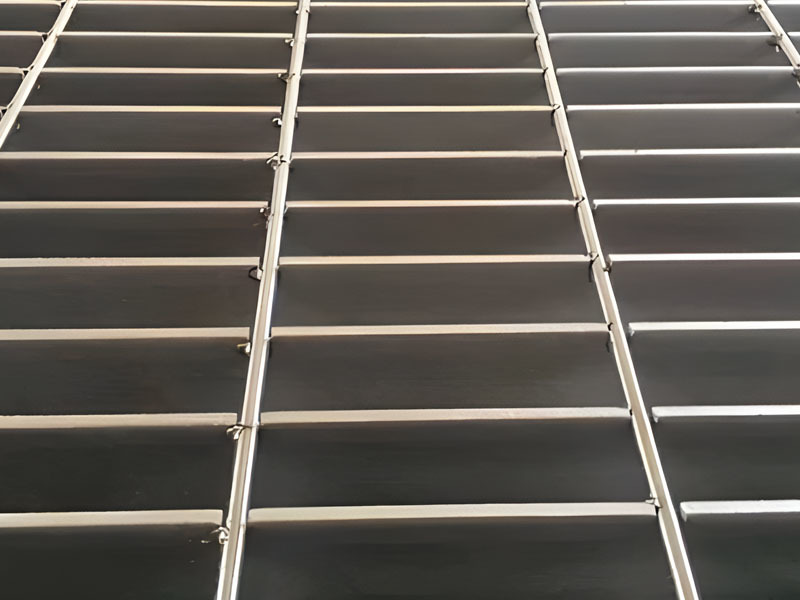
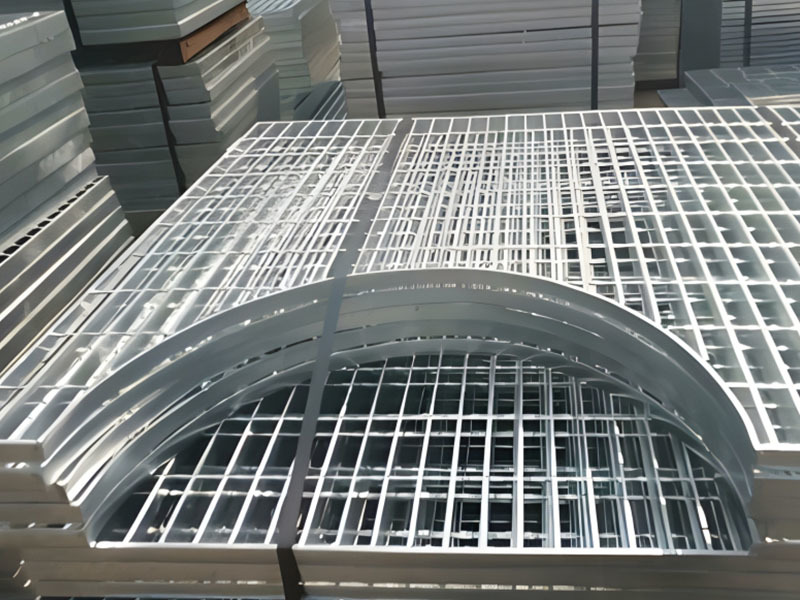
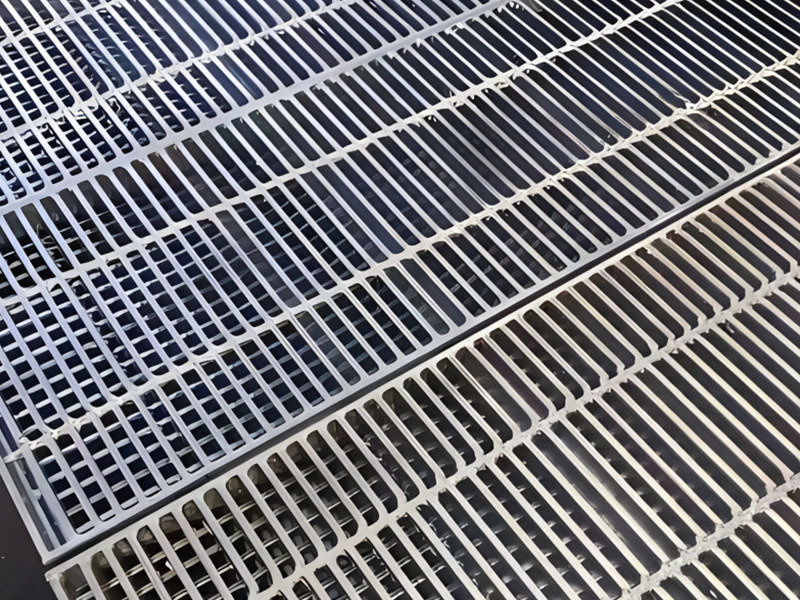
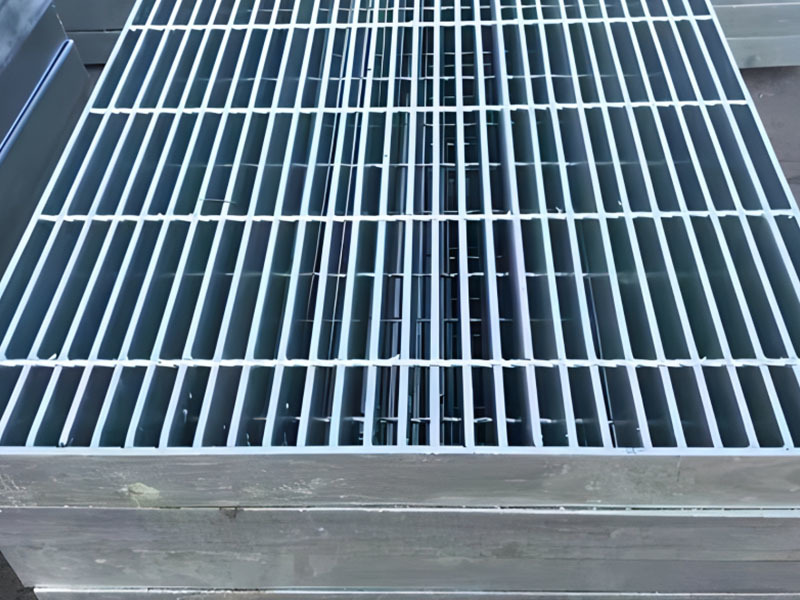
Galvanized steel grating is a versatile steel product formed by arranging loaded flat steel and cross bars at specific intervals in warp and weft. These components are welded together using a high-voltage resistance welding machine, creating the original plate. Further processing, including cutting, incision, hole opening, and edge wrapping, is done to meet customer requirements and produce the finished product.
Types of Galvanized Steel Grating:
Manufacturing Process: Galvanized steel grating can be categorized into pressure-welded and pressure-locked types based on the manufacturing method.
Surface Shape: Galvanized steel grating can be further divided into tooth-shaped, flat type, I-type, and composite type plates, depending on the surface shape.
Identification Method of Galvanized Steel Grating: (1) Flat Bar Center Distance: Differentiated by series: Series 1 has a center distance of 30mm; Series 2 has a center distance of 40mm; Series 3 has a center distance of 60mm. (2) Distance Between Centers of Crossbars: Series 1 has a distance of 100mm, and Series 2 has a distance of 50mm. Other specifications can be customized. (3) Flat Steel: Made of Q235A or stainless steel, with various types such as ordinary flat type, slip-resistant tooth type, and section I type. Common specifications include 205, 255, 253, 325, 405, 403, 505, 655, 756, 1008, 10010, and more. (4) Cross Bar: Made of round steel, twisted square steel, square steel, or hexagonal steel using Q235A or 304 stainless steel. Twisted square steel is made through wire drawing and twisting in a square die, with common specifications of 55, 66, 88mm, etc.
Features and Usages of Galvanized Steel Grating:
Features:
High Strength and Light Structure: The strong mesh pressure welding structure ensures high load-bearing capacity and a lightweight structure, making it easy to handle and install.
Durability and Aesthetics: Galvanized steel grating boasts a beautiful appearance and long-lasting performance.
Usages: Galvanized steel grating finds extensive applications in various industries and sectors, including:
Platforms, Walkways, and Trestles
Ditch Covers and Manhole Covers
Ladders and Fences
Petrochemical Plants, Power Plants, Water Plants, Sewage Treatment Plants
Municipal Engineering and Sanitation Engineering Projects
It serves as an essential product in these fields due to its strength, versatility, and reliability.
keyword:
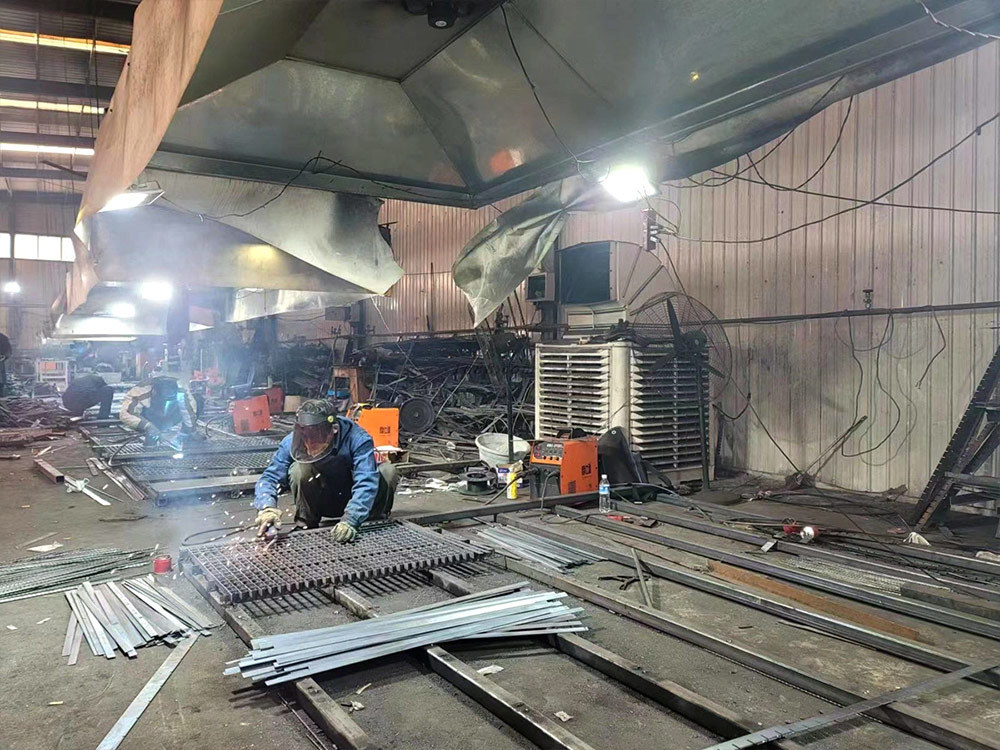
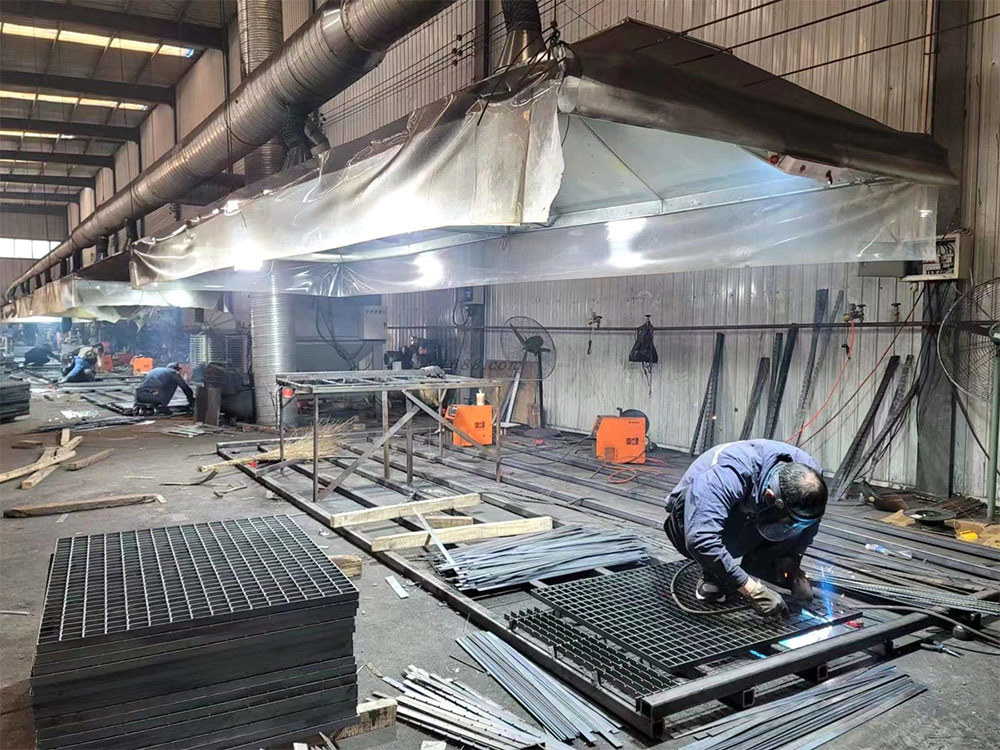
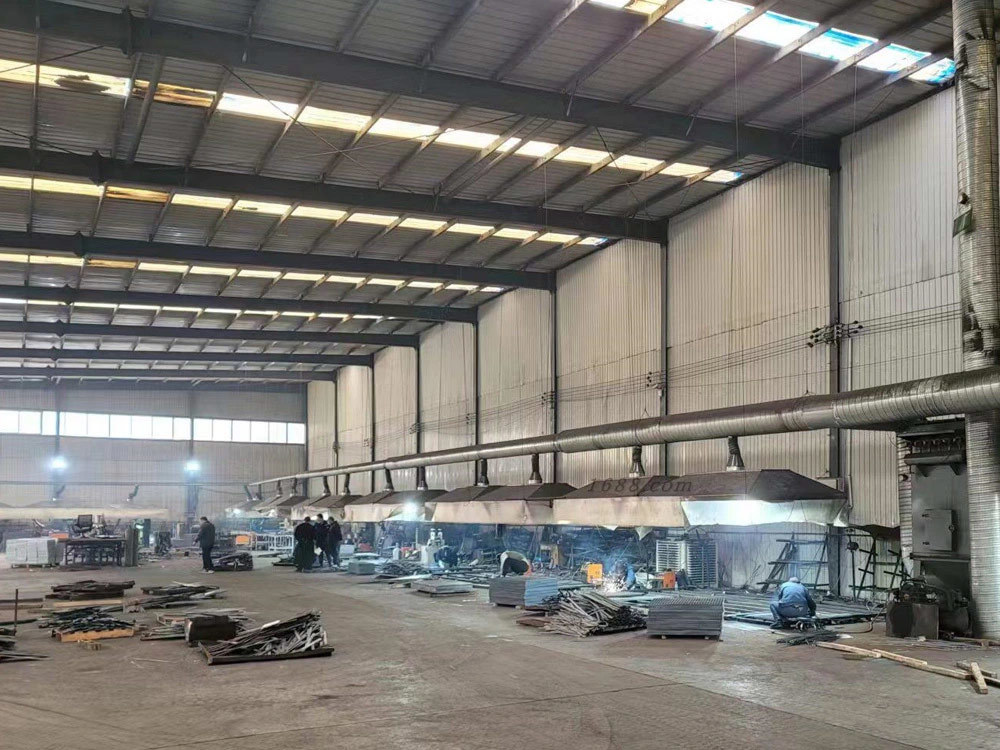
Production Strength
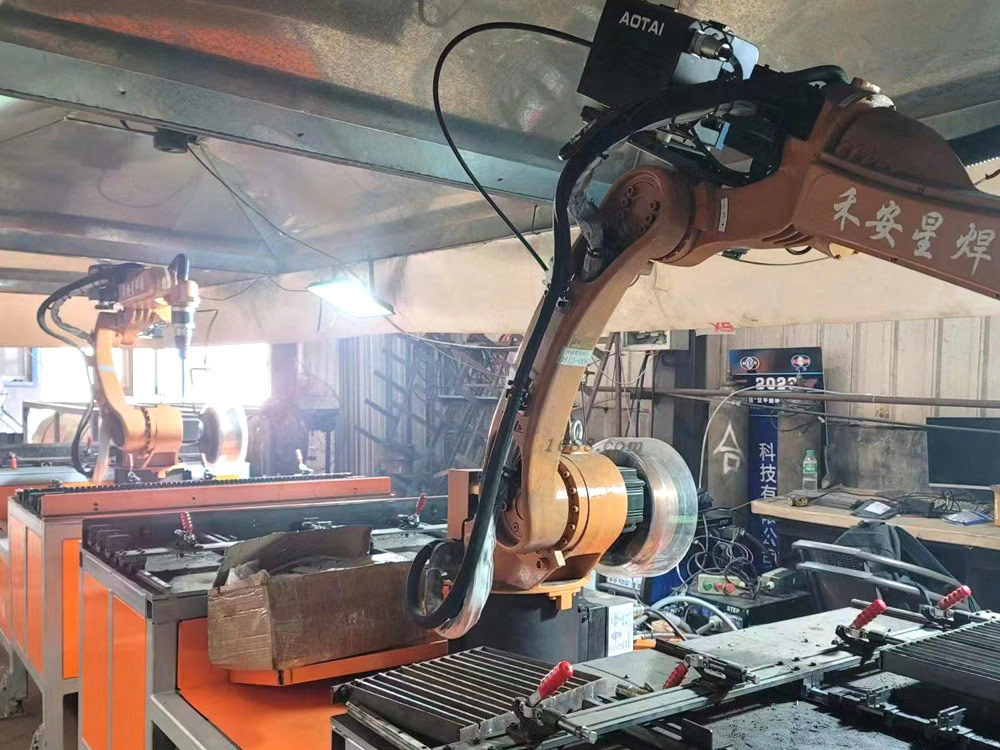
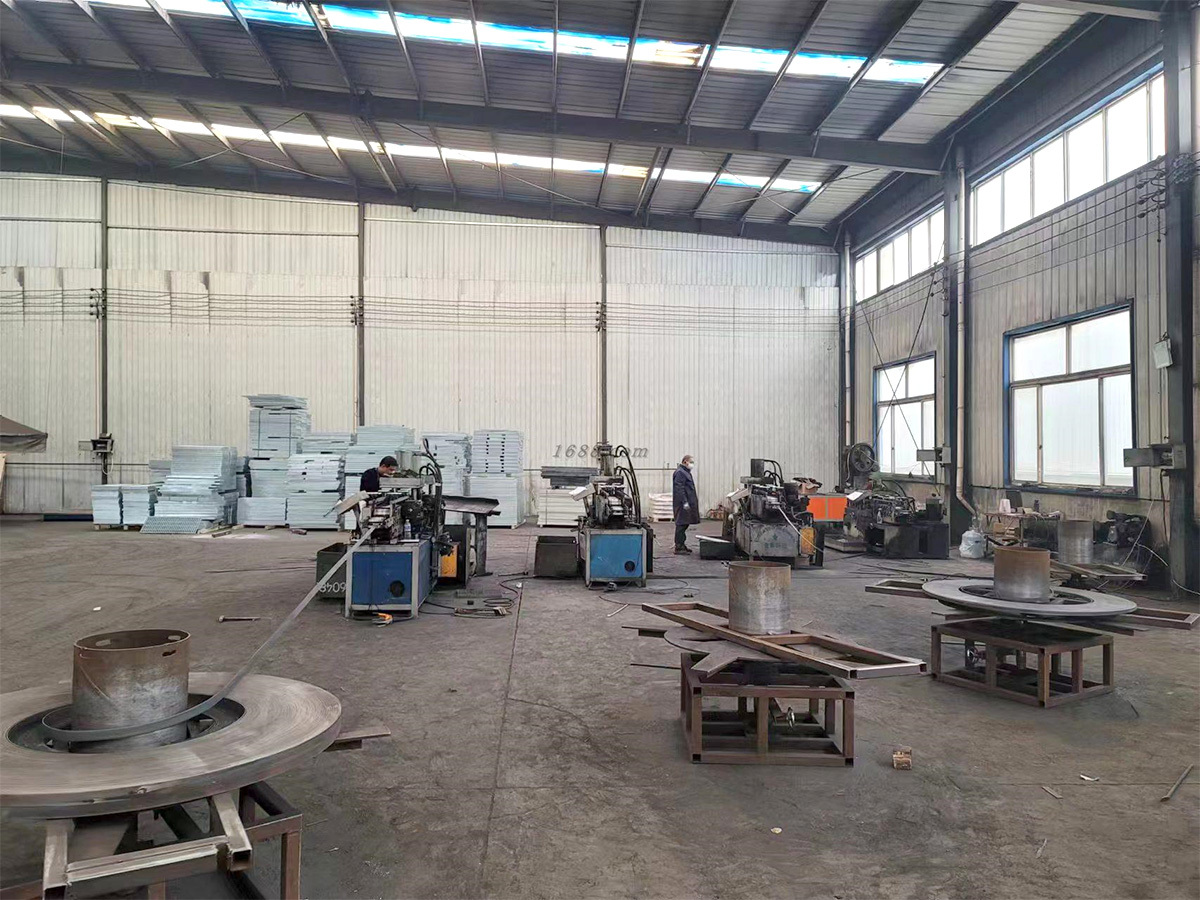
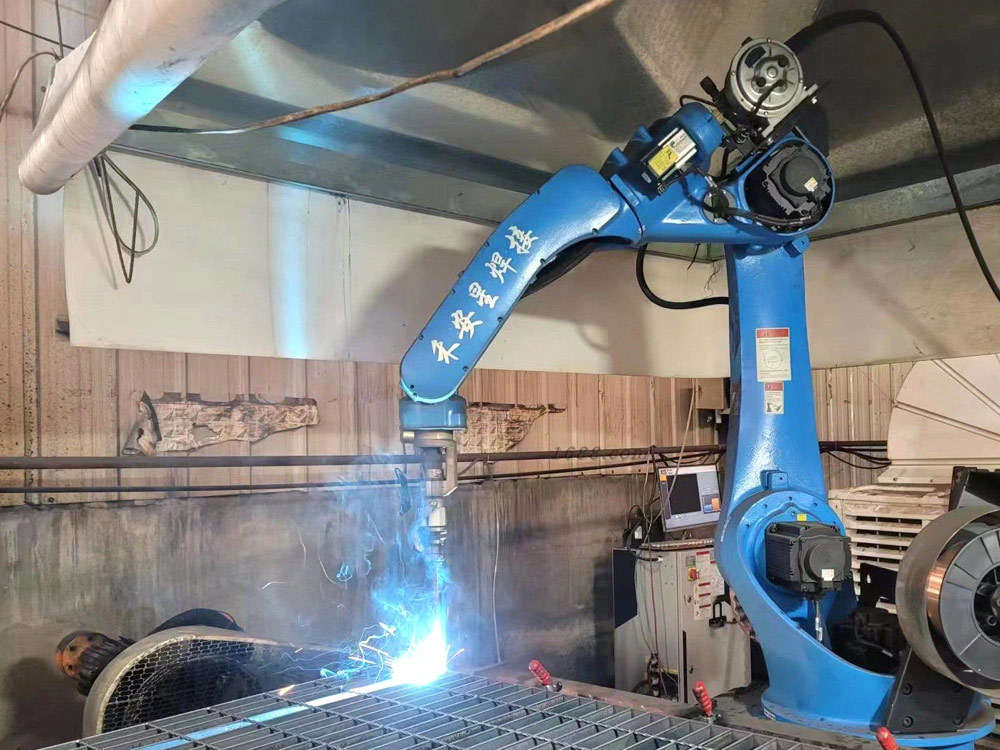
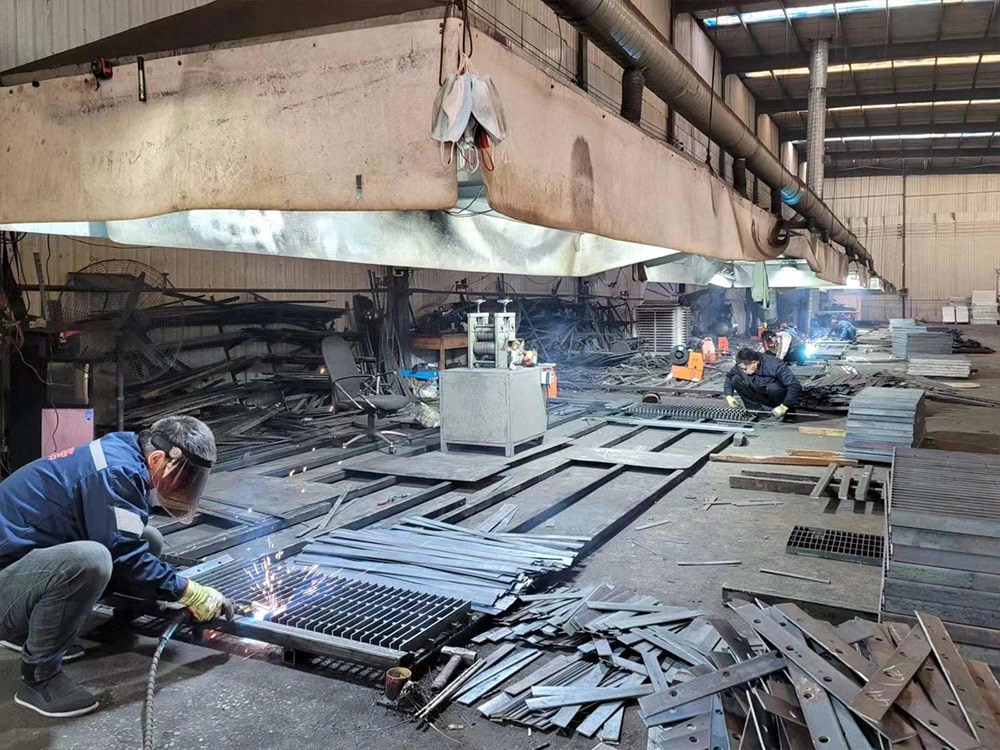
vast in scale,equipped with advanced equipment,strong technical capabilities,excellent quality, efficient production capacity, strong environmental awareness, high management level, and solid comprehensive strength.
这里是占位文字
这里是占位文字
这里是占位文字
这里是占位文字
这里是占位文字
这里是占位文字
这里是占位文字
这里是占位文字
FAQ
What does length and width exactly refer to?
In a grating, the length means the length of bearing bar while width means the length of cross bar. When placing your order, please provide clear dimensions to avoid any potential errors.
How do you calculate the area of each grating?
a. For regular shape grating, the area equals to length multiplied by width of grating, including the area of holes and notches.
b. For irregular shape grating, the area is that of the steel grating before cutting, instead of the area of irregular shape grating.
Why should we offer the structure drawing and detailed parameters of the work site?
This is to better serve your needs. Based on your structure drawing and parameters, we design and offer a grating perfectly suits your work site and ensure no extra cutting while usage. It greatly simplifies the installation work and saves your time. What’s more, according to the information you offer, we can recommend you the best suitable grating, which will save you time and money. We can also avoid the confusion between length and width mentioned in Q7 and prevent unnecessary economic loss for you.
How do you control the quality of the products leaving the factory?
The QA team will do testing and record each step, from raw material purchase to finished product delivery, to ensure that each step is traceable and materials entering the next program are 100% qualified.
Contact Us
+86 137 8526 0627(Cell/ Whatsapp)
No. 13, Canda Wire Mesh Entrepreneurship Counseling Base, Anping County, Hengshui City, Hebei Province
About Us
Follow us

Wapsite